
I’ll let John Gruber explain what a dickover is:
dickover n. : a modal panel, popover, or curtain presented by a website or app, deliberately obscuring its own content to frustrate the user with an unwanted, unnecessary, mandatory interaction; e.g. asking the user to accept “cookies”, subscribe to a newsletter, install the website’s mobile app, agree to terms of service, or anything else that the user couldn’t give two shits about.
You know what a dickover is, even if you didn’t know what to call it (until now). If you use the Internet, you encounter them every day. They’re popovers, but dickheaded. The web is absolutely lousy with them, and mobile apps present them too, with increasing frequency.
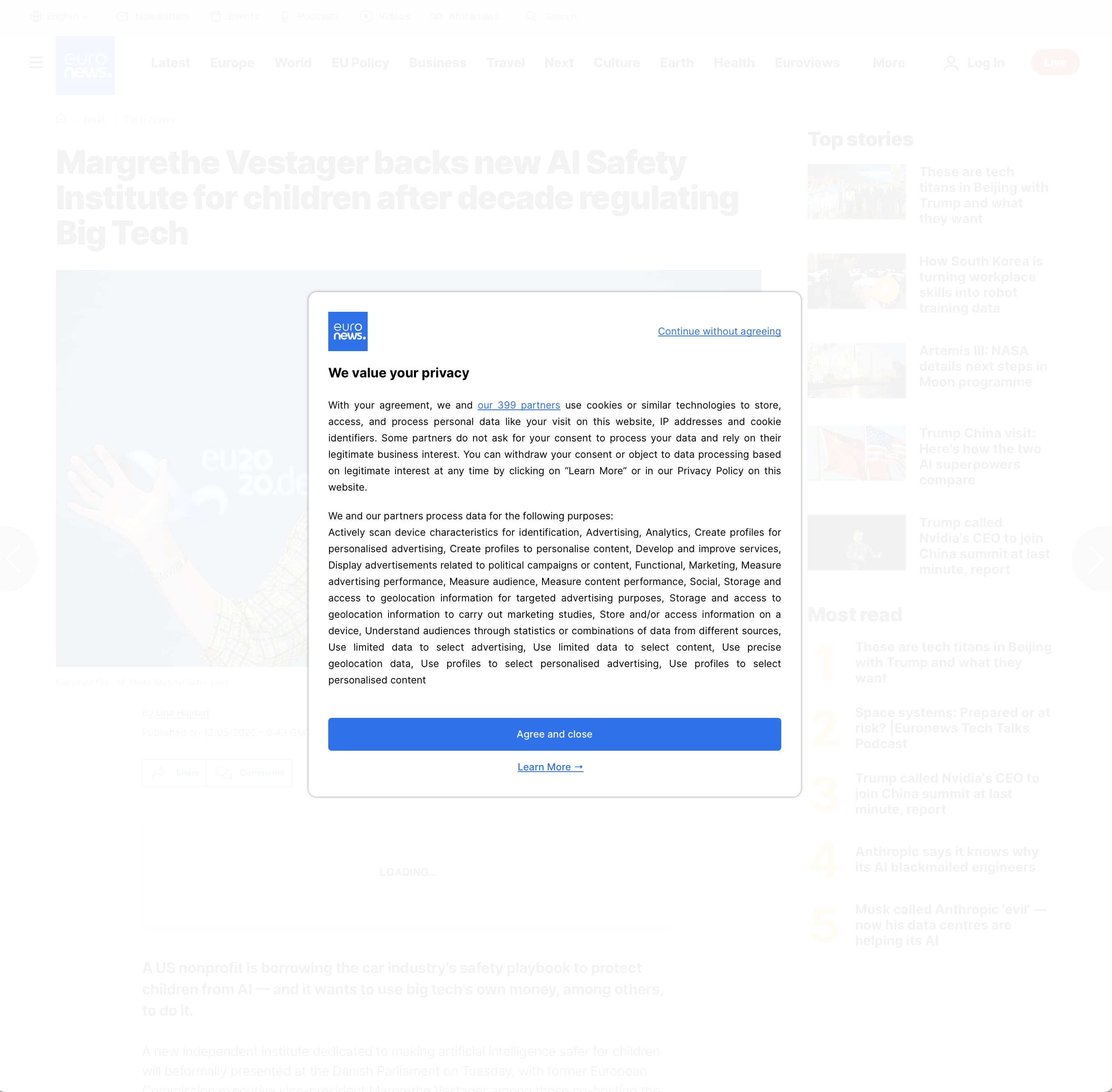
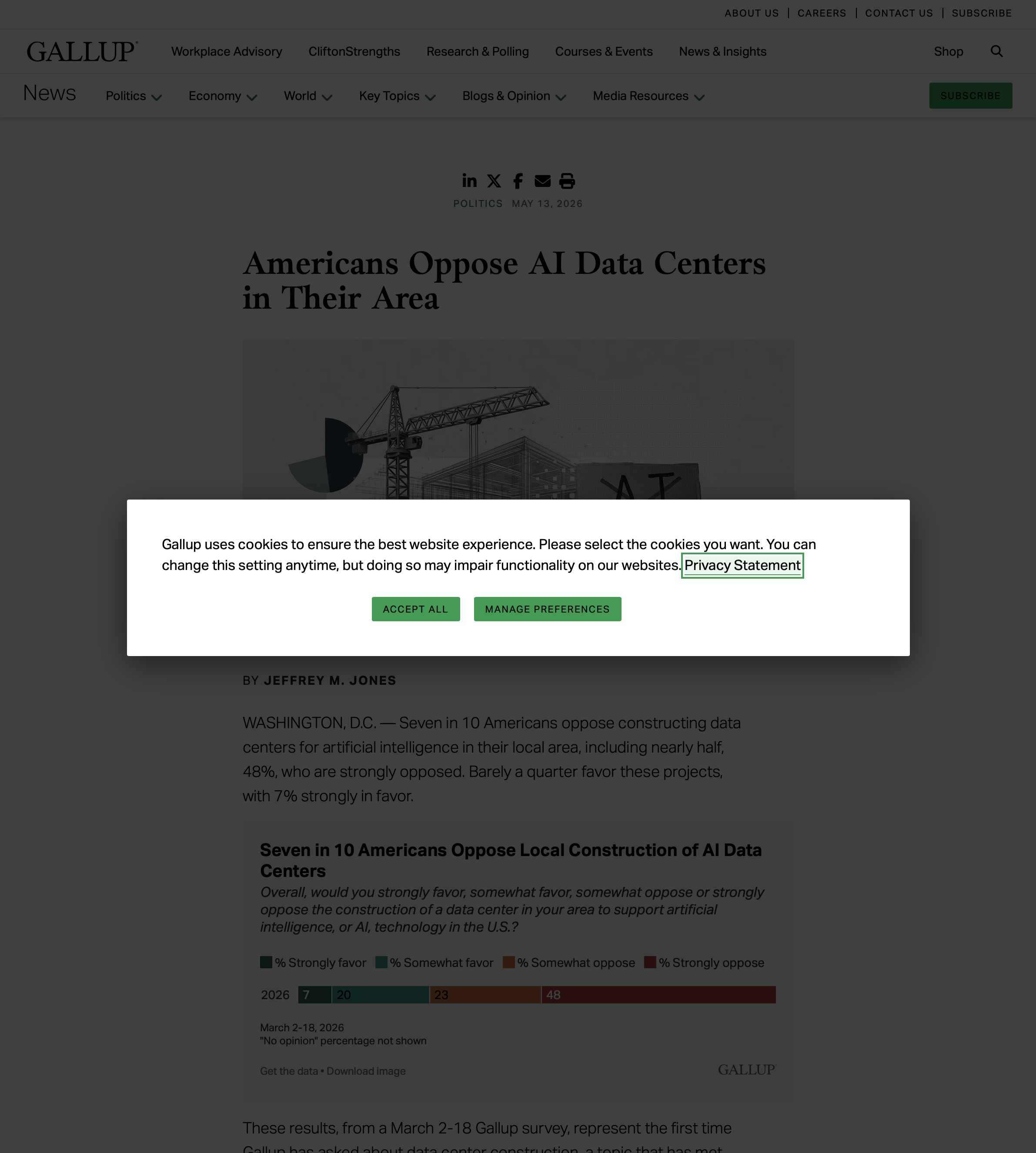
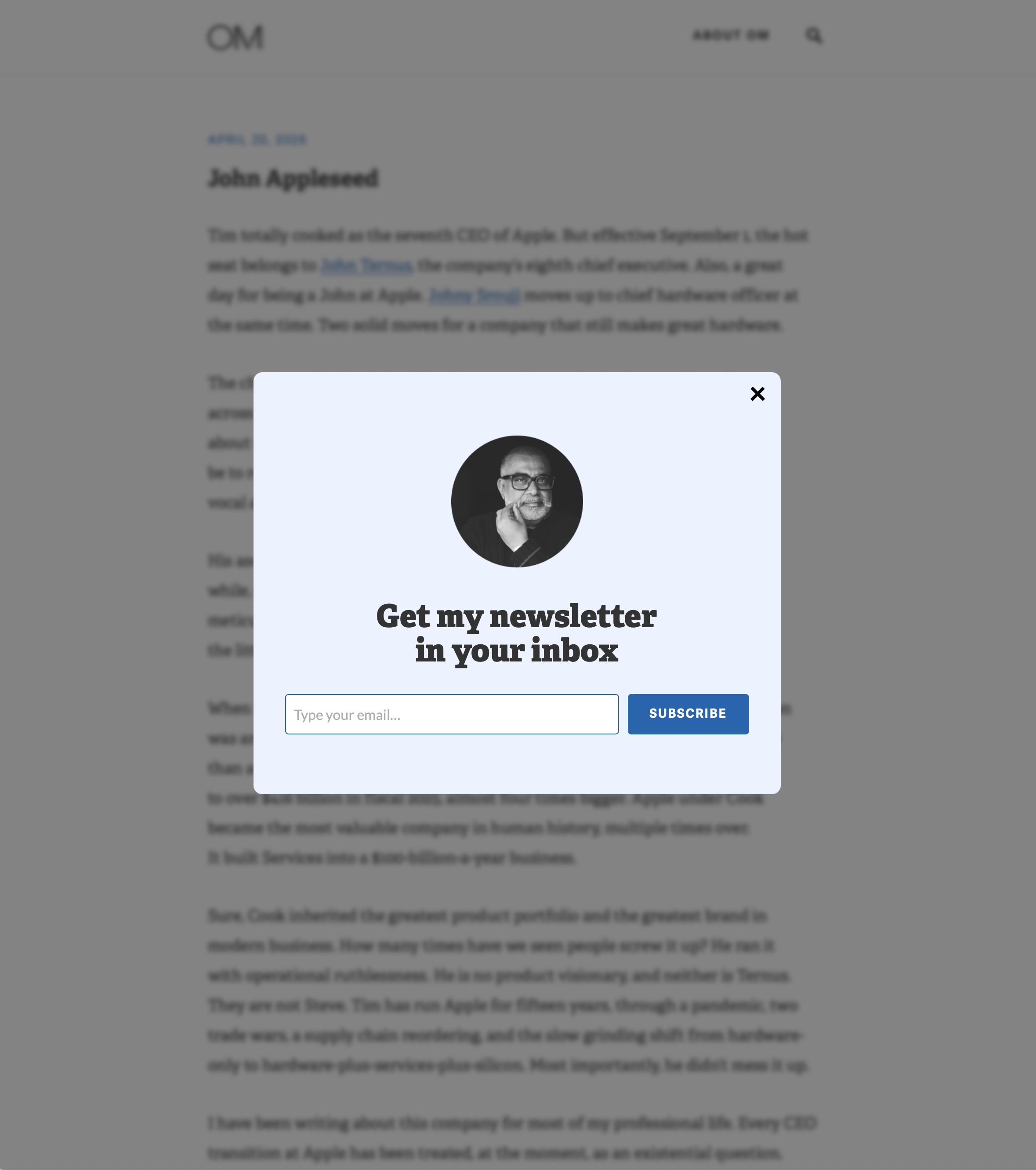
Dickovers are a veritable scourge. They’re so common they’re effectively part of the firmament. I started calling these things dickpanels in 2022, but when dickover popped into my head last week,1 I couldn’t shake the feeling that it’s a better term for these ubiquitous odious irritations. You can hardly go anywhere on the web without getting dicked over by a dickover. They often pester you about permitting cookies, like this one from Euronews or this one from Gallup. This malicious design pattern is so ubiquitous that it has spread even to personal blogs, like this one from my friend Om Malik, and to great brands like Field Notes, both asking you to sign up for their newsletters.

Read the whole thing. There’s a lot more there.
John hates dickovers nearly as much as I do.
The term has been picked up by The Guardian:
The “dickover” is the scourge of the modern age. Coined in May by John Gruber, a tech writer, it is defined as “a modal panel, popover, or curtain presented by a website or app, deliberately obscuring its own content to frustrate the user”. Essentially, it is the thing (or more often, things) you have to click away in order to read the thing you wanted to read. It is the “accept cookies” box, the “allow notifications?” box, the “sign in with Google” box, the pop-up video box, etc.